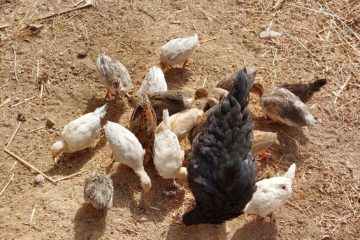
Developing a Sustainable Future for Guinea Fowl Farming
Guinea fowl are crucial to the food supply chain of Africa, and researchers are helping to improving the stability of guinea fowl farming as a source of income and nutrition.
Research at St Andrews often leads to changes or improvements in non-academic impact areas such as public debate and understanding, technology, culture, policy and laws, health and welfare, the economy, and the environment among others. Find out more about how some of our research has led to measurable impact here and on the Research and Innovation Services Research impact: help and resources webpages. The latter also offers tips, advice, funding opportunities, and useful links from the Research Impact Team to help you engage with research impact.
Guinea fowl are crucial to the food supply chain of Africa, and researchers are helping to improving the stability of guinea fowl farming as a source of income and nutrition.
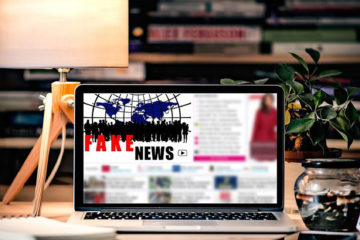
In their research at the Department of Film Studies, Dr Leshu Torchin and Dr Philippa Lovatt have expanded the limits of how documentary can be understood and studied.

The HBSC, led by researchers from the School of Medicine, has been critical to understanding and reducing the risks to adolescent health.

The discoveries Irvine and Smith made regarding hydrogen fuel production have been vital to Scottish advances in sustainable public transport.

St Andrews researchers including Dr Althea Davies collaborate with indigenous groups and institutions around the world to fully articulate the significance of their traditions.
GRADE models the relationship between government spending and public health, influencing global policy and empowering political actors.

The Impact Festival is an annual event organised by EPSRC Impact Acceleration Account (IAA) holders in Scotland, who are committed to delivering jointly funded initiatives, particularly in the areas of networking,…
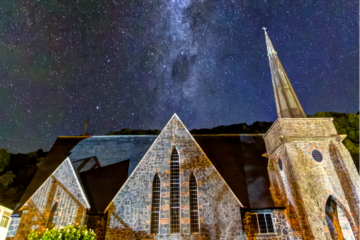
Dr Andrew Torrance has been challenging the belief that science and faith are irreconcilable.
Developed by researchers at the University, Distance is arguably one of the world’s best tools for monitoring biodiversity.

Now a PhD student at the University of St Andrews, Claudia Lubao’s music has set a precedent in bringing cultural heritage to new audiences